
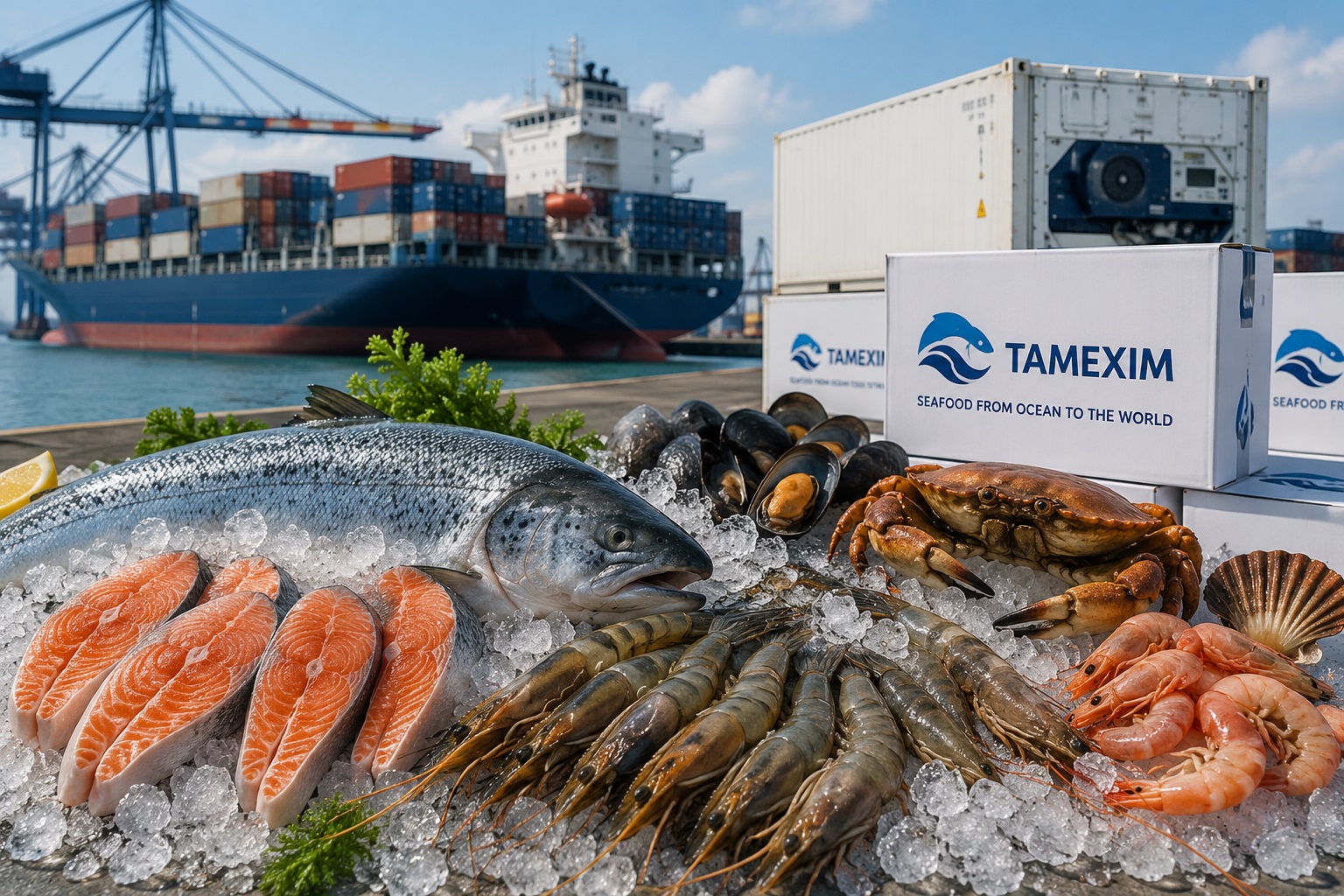
Meta Title
The Ultimate Seafood Guide | Types, Benefits & Global Seafood Market | Tamexim
Meta Description
Discover everything about seafood, including fish, shrimp, shellfish, nutritional benefits, global seafood markets, sustainability, and international seafood trade.
What Is Seafood?
Seafood refers to all edible aquatic animals harvested from oceans, seas, rivers, and aquaculture farms. It includes a wide variety of fish, shrimp, shellfish, mollusks, and other marine species that are consumed around the world.
Seafood has become one of the fastest-growing food industries due to its exceptional nutritional value, increasing global demand, and expanding international trade. Today, both wild-caught and farm-raised seafood play a vital role in feeding millions of people while supporting local economies and global commerce.
Types of Seafood
Seafood can be divided into several major categories.
Fish
Fish are the most widely consumed seafood products worldwide.
Popular species include:
- Salmon
- Rainbow Trout
- Tilapia
- Carp
- Tuna
- Cod
- Sea Bass
Shrimp
Shrimp is among the most valuable seafood products in international markets.
Popular varieties include:
- Vannamei Shrimp
- Black Tiger Shrimp
- Freshwater Shrimp
Shellfish
Shellfish include hard-shelled marine animals such as:
- Crab
- Lobster
- Oyster
- Mussels
- Clams
Mollusks
Common mollusks include:
- Squid
- Octopus
- Cuttlefish
Nutritional Benefits of Seafood
Seafood is recognized as one of the healthiest protein sources available.
High-Quality Protein
Seafood provides complete protein containing all essential amino acids needed for muscle growth, tissue repair, and overall health.
Omega-3 Fatty Acids
Fatty fish such as salmon and trout are rich in Omega-3 fatty acids, which support:
- Heart health
- Brain function
- Eye health
- Reduced inflammation
Essential Vitamins
Seafood is naturally rich in:
- Vitamin D
- Vitamin B12
- Vitamin A
Important Minerals
Seafood contains valuable minerals including:
- Selenium
- Zinc
- Iodine
- Phosphorus
- Iron
Wild-Caught vs Farm-Raised Seafood
Both production methods contribute significantly to the global seafood supply.
Wild-Caught Seafood
Advantages:
- Natural habitat
- Diverse species
- Traditional harvesting
Challenges:
- Seasonal availability
- Weather dependency
- Fishing regulations
Farm-Raised Seafood
Advantages:
- Stable production
- Consistent quality
- Better supply management
- Traceability
Modern aquaculture has become essential for meeting the world’s growing demand for seafood while reducing pressure on wild fish populations.
Global Seafood Market
The seafood industry has become one of the largest sectors in international food trade.
Major importing regions include:
- European Union
- United States
- China
- Japan
- Middle East
Growing demand for premium seafood products has encouraged producers to invest in better farming practices, modern processing facilities, and efficient cold-chain logistics.
Seafood Processing
Seafood products are processed in various forms to meet customer needs.
Common product types include:
- Whole Fish
- Fillets
- Steaks
- Frozen Seafood
- IQF Products
- Vacuum Packed Seafood
- Smoked Seafood
Cold Chain Matters
Maintaining the cold chain from harvest to final delivery is essential for preserving seafood quality.
Proper temperature control helps:
- Maintain freshness
- Reduce spoilage
- Preserve texture
- Extend shelf life
- Ensure food safety
Sustainability in Seafood
Sustainable seafood production protects marine ecosystems while ensuring long-term food security.
Responsible fisheries and modern aquaculture practices help:
- Reduce overfishing
- Protect biodiversity
- Improve resource efficiency
- Support future seafood supplies
Why Businesses Choose Reliable Seafood Suppliers
Choosing the right seafood supplier offers several advantages:
- Consistent product quality
- Reliable delivery schedules
- International certifications
- Flexible packaging options
- Competitive pricing
- Export experience
Conclusion
Seafood remains one of the world’s most valuable food resources, offering exceptional nutrition, diverse product options, and strong international market demand. Whether sourced from responsible fisheries or modern aquaculture farms, high-quality seafood supports healthy diets and global food security.
Businesses seeking dependable seafood partners should prioritize suppliers with proven quality standards, strong export capabilities, and reliable cold-chain logistics.
Frequently Asked Questions
What is considered seafood?
Seafood includes fish, shrimp, shellfish, mollusks, and other edible aquatic animals from both wild fisheries and aquaculture.
Is farm-raised seafood safe?
Yes. Seafood produced under proper farming, processing, and food safety standards is considered safe and is widely consumed around the world.
Why is seafood healthy?
Seafood is rich in high-quality protein, Omega-3 fatty acids, vitamins, and essential minerals while generally being lower in saturated fat than many other animal protein sources.
Which countries import the most seafood?
Major seafood importers include the European Union, the United States, China, Japan, and several countries in the Middle East.
Call to Action
Looking for a Trusted Seafood Export Partner?
Tamexim supplies premium seafood products with reliable processing, packaging, and international export solutions. Contact our team today to discuss your sourcing requirements and receive a customized quotation.